

A new adventure awaits...
Rediscover Singapore’s history in a new integrated experience from 10 October 2026.
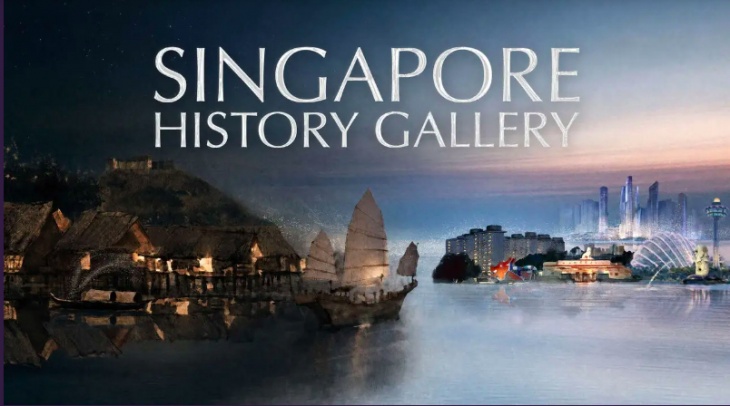
Rooted in the stories of communities who have called Singapore home, the Singapore History Gallery brings diverse voices and perspectives to life through rich artefact displays, immersive experiences and interactive touchpoints connecting the broad strokes of history to the stories of those who lived it.
Admission is free for all from 10–12 October 2026, and will remain free for Singapore Citizens, Permanent Residents and children under 6 years old thereafter.
Discover Singapore’s past at the National Museum of Singapore through the artefacts and stories of those who lived it. The Singapore History Gallery is divided into seven sections covering the different eras of this island’s history.
Fluid Beginnings
- (1300s – 1800s)
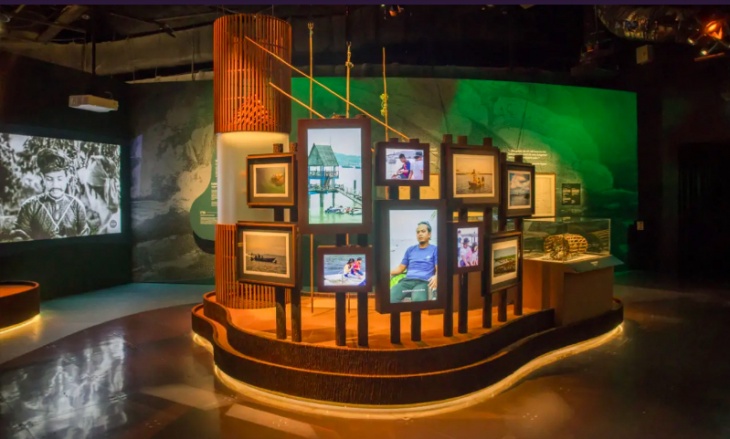
Early Singapore was part of a vibrant maritime network influenced by the tides of trade, politics and power. Encounter artefacts that speak to Singapore’s deep cultural roots within the Malay world, including a newly commissioned jongkong boat and the iconic Singapore Stone.
Colonial City
- (1800s – 1930s)
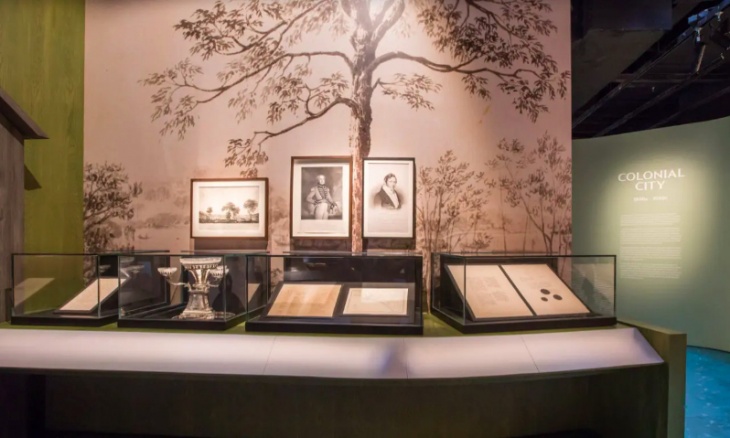
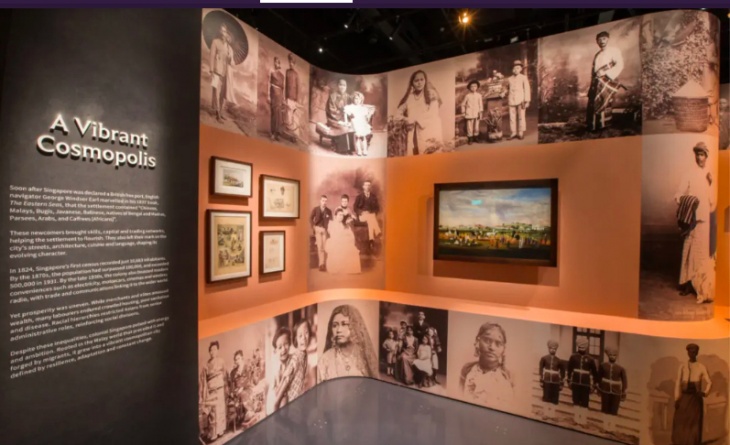
Raffles’ declaration of Singapore as a free port drew merchants, migrants and labourers from across Asia whose toil and enterprise built the colony’s prosperity. Witness the island’s transformation through the everyday stories of immigrants navigating a city both cosmopolitan and marked by inequality.
Fall of the Fortress
- (Late 1930s – 1940s)
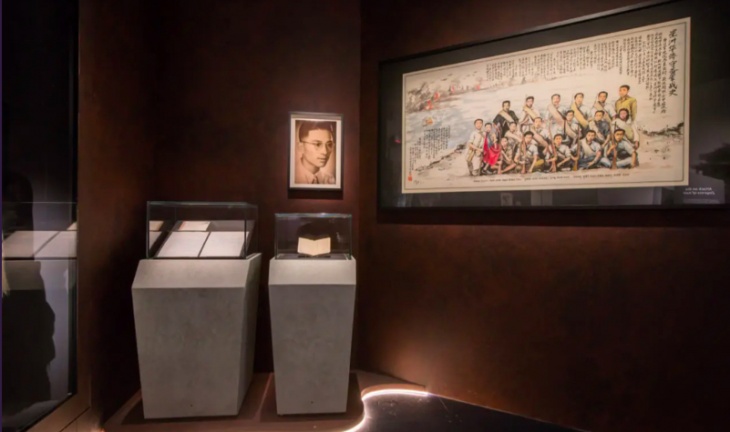
Japanese forces attacked Singapore in December 1941, beginning a brutal two-month campaign that led to the collapse of Britain’s “impregnable fortress”. Personal effects, military artefacts and letters foreground the immense human cost of the war and the struggles – and resilience it forged – of life under Japanese occupation.
Towards a New Identity
(1950s – 1960s)
Post-war Singapore was marked by the fight for self-governance and self-determination amidst struggles with poverty and colonial discontent. Discover the work of artists and activists who gave voice to the ordinary people, as local leaders emerged with competing visions for Singapore’s future.
Becoming Singapore
(1960s – 1980s)
The early days of independence saw major government reforms to the economy, housing and education. Workers found new livelihoods in factories and families adapted to high-rise living. Immerse yourself amidst everyday artefacts including a restored HDB lift, and remember – or imagine – what it was like to live through this transformational period of history.
Being Singaporean
(1980s – 1990s)
Food, fashion, film, sports and nightlife gave expression to what it meant to be Singaporean. Hawker culture flourished, independent filmmakers brought Singlish to life on screen, and sports united Singaporeans in moments of national pride. Explore Singapore culture and cuisine through interactive stations and virtually try on retro outfits!
Looking Global
(2000s – present)
Singapore grew into a major financial and maritime hub: a world-class metropolis defined by its diverse and dynamic people and a cityscape in constant reinvention. What does it mean to belong to a city that never stands still?
When
10 October 2026 - 1 December 2028, See the website for the opening hours.
Age
0+
Links

Address
Singapore93 Stamford Road Bras Basah, South Singapore 178897
How to get there?
By MRT:
Bras Basah MRT Station (5-minute walk)
Dhoby Ghaut MRT Station (5-minute walk)
City Hall MRT Station (10-minute walk)