Why More Families Are Using eSIMs and Virtual Phone Numbers
Published 01 September 2026 at 22:12
Tickikids Blog Singapore > Tours and Travels > Why More Families Are Using eSIMs and Virtual Phone Numbers
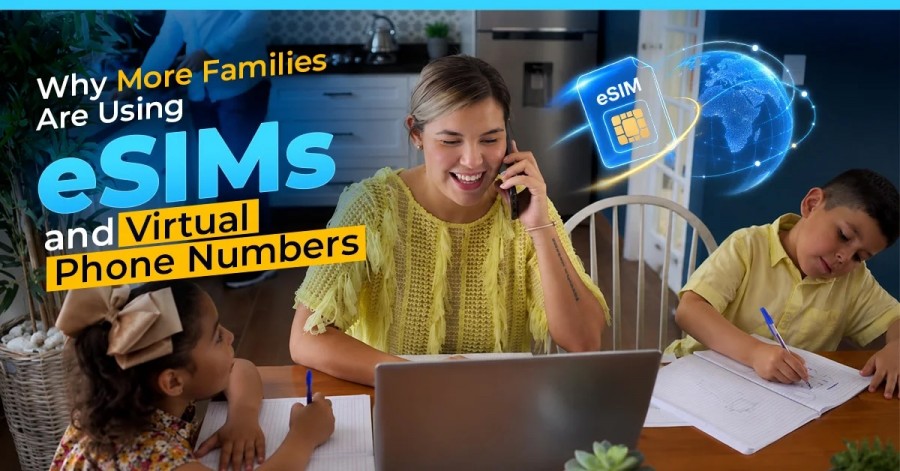
Have you ever looked at your phone and wondered how so many different parts of family life ended up in one place?
A typical day might start with a work call, followed by a message from your child's school, a reminder about a doctor's appointment, a delivery update, and a few family group chats. By lunchtime, your phone is already juggling responsibilities that have nothing to do with each other.
Most families don't set out to create this kind of digital clutter. It happens gradually. A child gets their first phone. A parent starts working remotely. Travel plans become more frequent. New apps and services ask for phone verification. Before long, one number is expected to handle everything.
When important information is mixed with dozens of less important notifications, staying organized becomes harder than it should be. That is one reason more families are taking a closer look at eSIMs and virtual phone numbers. While they are often discussed as technology tools, many parents see them as simple ways to keep everyday communication under control.
A Simple Way to Separate Different Parts of Life
An eSIM is a digital version of a traditional SIM card. Instead of inserting a physical card into a phone, you activate a mobile plan digitally.
You might never think about SIM cards until you need a second number. Then suddenly the limitations become obvious.
Maybe you want a separate number for work. Maybe your teenager needs a phone line for school activities. Maybe you're planning a family trip and want data access without changing your regular setup.
An eSIM makes those situations much easier because several plans can exist on the same device.
Virtual phone numbers solve a different problem. They work through an app or online service rather than a physical SIM. Calls and messages can still reach you, but they stay separate from your main number.
Many families find that using both options creates a cleaner system for managing everyday communication.
When Family Communication Starts Feeling Disorganized
Most families don't wake up one day and decide they need multiple numbers.
Usually it happens gradually.
A parent starts working remotely and wants to separate work calls from personal calls. A child reaches an age where they need a phone for after-school activities. Someone begins traveling more often. Online services require phone verification.
Before long, one number is carrying responsibilities that were never meant to share the same space.
If you've ever searched through dozens of messages just to find a school reminder, you already know how frustrating that can be.
Creating separate communication channels helps reduce that clutter.
Sometimes the need for another number appears without much warning. A child signs up for after-school activities, a parent begins working from home more often, or a family trip is suddenly just a few weeks away. In situations like these, services such as eSIM Plus can provide an additional mobile line without requiring a physical SIM card. For many families, that flexibility is appealing because it allows them to adapt their communication setup without adding another device or making major changes to the way they already use their phones.
Helping Kids Stay Connected Without Creating More Chaos
Many parents struggle to find the right balance when introducing children to mobile devices.
A phone can be useful for safety, transportation updates, and family communication. At the same time, most parents don't want every call, text, app notification, and online interaction tied to the same number.
Keeping communication organized from the beginning often makes things easier later.
For example, a family might use one number primarily for school-related communication while another handles everyday contact with relatives and friends.
The goal isn't to complicate things. It's to create a structure that makes sense.
Family Travel Gets Easier Too
Travel is another situation where these tools can be surprisingly helpful.
If you've traveled with children, you already know there are enough things to keep track of. Mobile service shouldn't become another headache.
An eSIM can be activated before leaving home, allowing family members to access maps, reservations, transportation apps, and messaging services as soon as they arrive.
Meanwhile, a virtual number can remain active for calls connected to home responsibilities, deliveries, or other ongoing commitments.
That means fewer interruptions and fewer surprises during a trip.
A Small Change That Can Save Money
One benefit that often gets overlooked is cost.
Many families assume they need additional devices whenever they need additional numbers.
That isn't always true.
Adding another line through an eSIM or using a virtual number may eliminate the need for a second phone in certain situations. Some families also avoid expensive roaming fees by activating travel plans instead of relying on standard international rates.
The savings won't be identical for everyone, but reducing unnecessary devices, accessories, and extra mobile plans can make a noticeable difference over time.
For households already managing a long list of monthly expenses, every little bit helps.
Everyday Organization Matters More Than Technology
The most useful part of these tools isn't the technology itself.
It's the organization.
Think about how much easier family life becomes when important information has a clear place to go.
School messages aren't mixed with work calls.
Travel updates aren't buried beneath social notifications.
Temporary online registrations aren't tied to the same number you've used for years.
A little separation often creates a lot less stress.
Small Habits That Make the Biggest Difference
Even the best setup works better when it stays simple.
Try giving each number a specific purpose. Keep one for personal communication. Use another for work, travel, or temporary needs.
Review notification settings regularly so every alert doesn't demand immediate attention.
Most importantly, avoid creating extra numbers without a reason. The goal is organization, not complexity.
A few clearly defined communication channels usually work better than a long list of numbers nobody remembers.
Final Thoughts
If your phone feels overloaded with work calls, school updates, family chats, travel information, and online accounts, you're not alone.
Many families are dealing with the same challenge.
eSIMs and virtual phone numbers won't solve every communication problem, but they can make everyday life easier to manage. By giving different parts of your life their own space, you spend less time sorting through distractions and more time focusing on what actually matters.
Sometimes the best family tech isn't about adding something new. It's about making the tools you already use work a little better.